
Technology Comparison
Platformization research plus forward development
Featured by standardization and platformization, the new forward developed control-by-wire chassis can share five vehicle system boundaries: mass, vehicle length, drive, braking and steering, to achieve cross-model sharing of commercial vehicles, improve industrial efficiency, reduce R&D costs, and shorten R&D cycles.

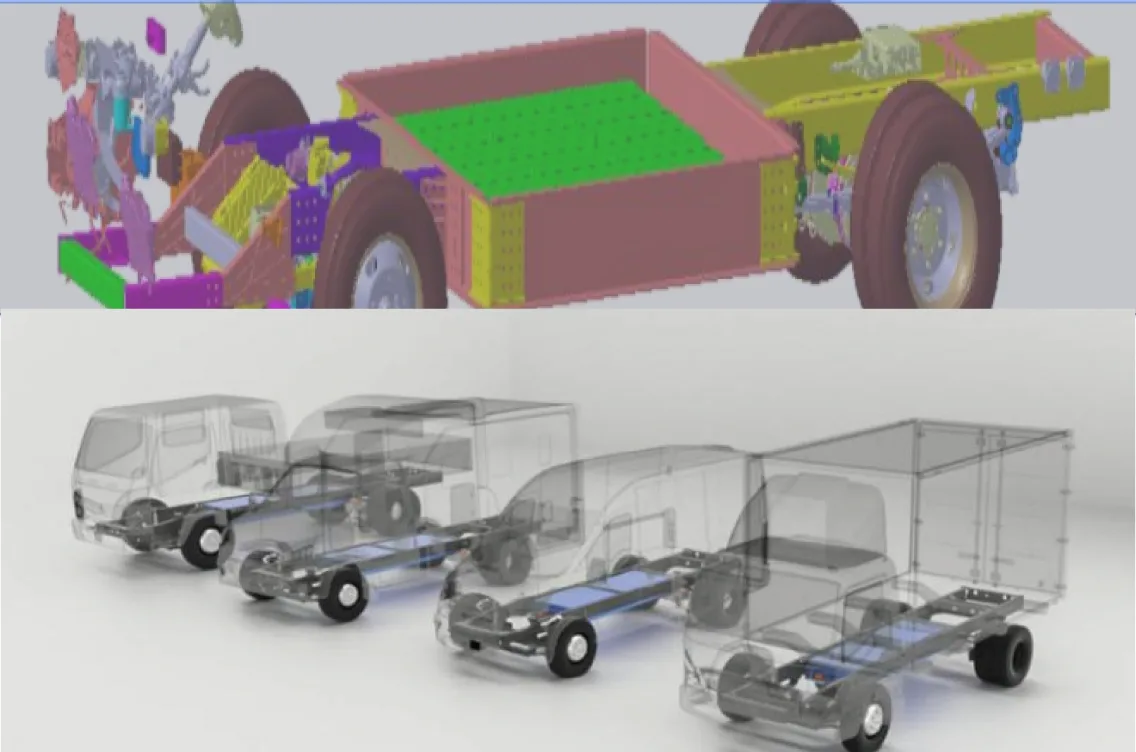
Featured by standardization and platformization, the new forward developed control-by-wire chassis can share five vehicle system boundaries: mass, vehicle length, drive, braking and steering, to achieve cross-model sharing of commercial vehicles, improve industrial efficiency, reduce R&D costs, and shorten R&D cycles.
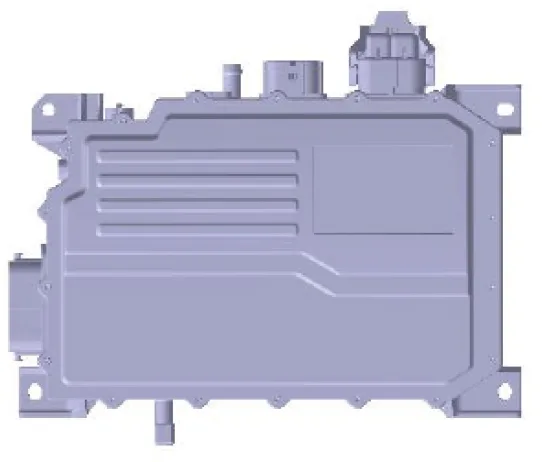
All-in-One high voltage system
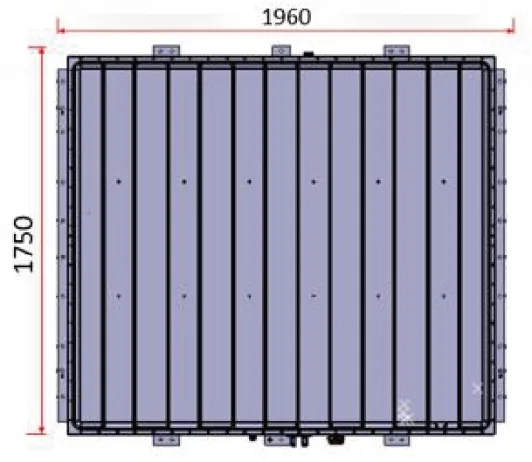
All-in-One high voltage system
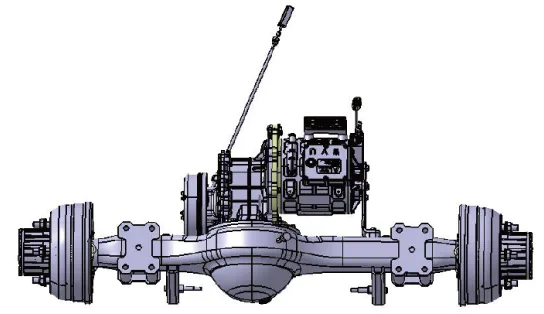
Drive motor
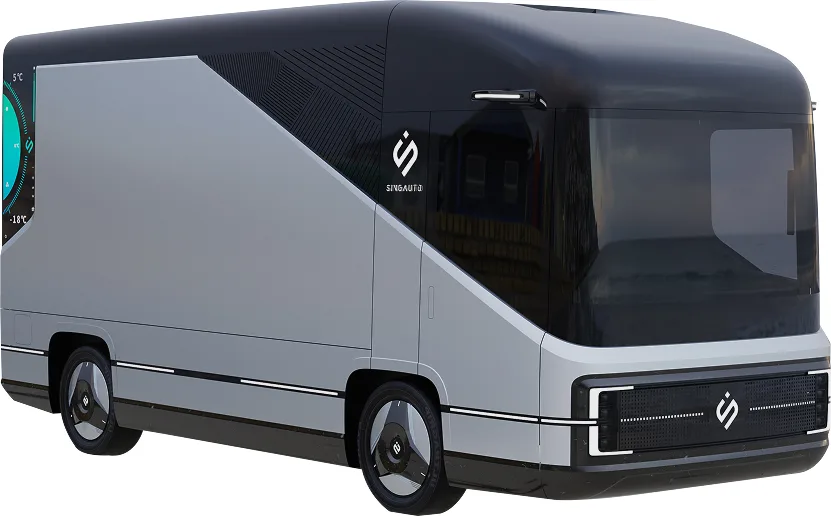
The newly developed new-energy refrigerated vehicle SINGAUTO S1 is basically on par with traditional diesel vehicles.

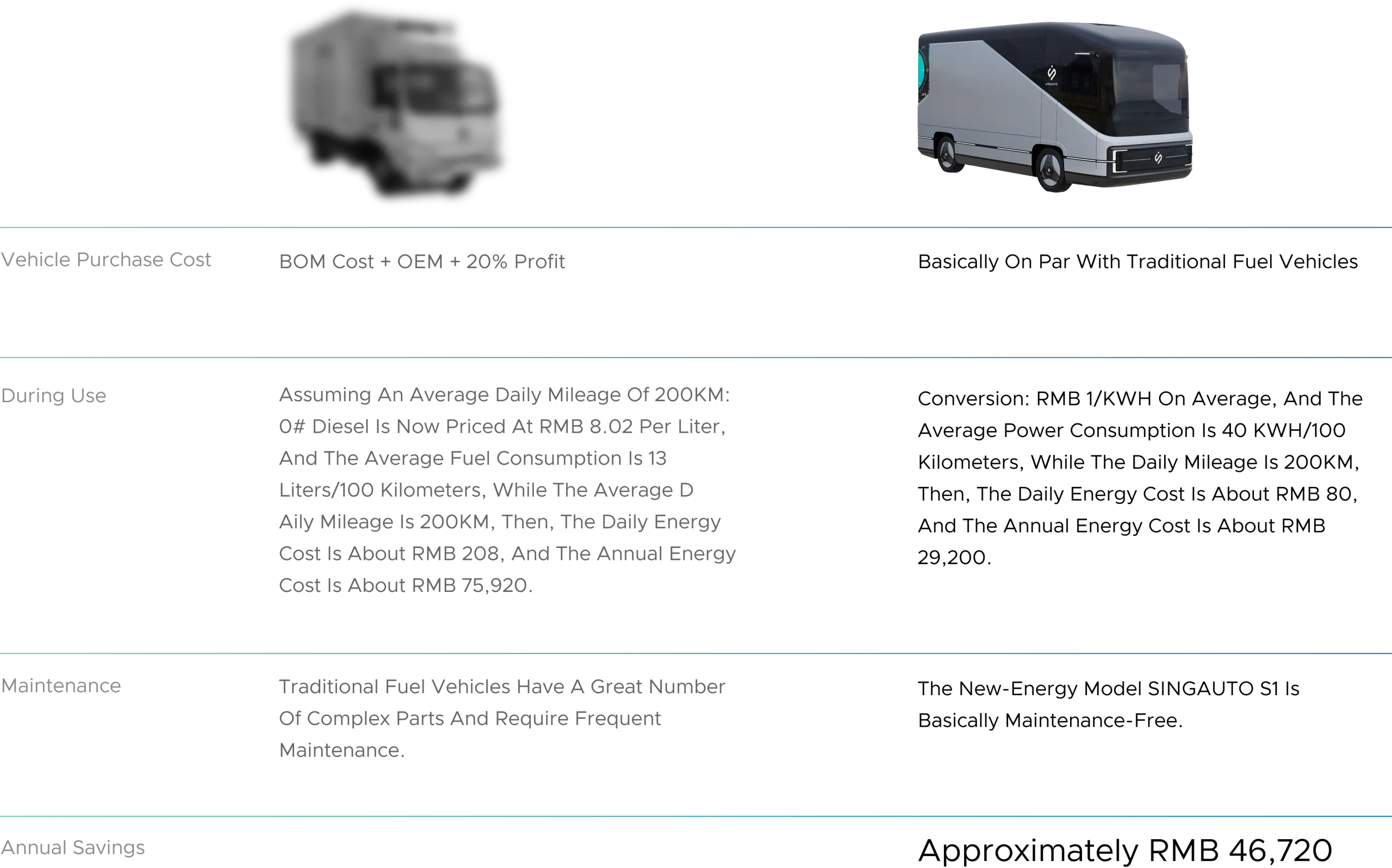
Vehicle purchase cost
BOM cost + OEM + 20% profit
Basically on par with traditional fuel vehicles
During use
Assuming an average daily mileage of 200KM: 0# diesel is now priced at RMB 8.02 per liter, and the average fuel consumption is 13 liters/100 kilometers, while the average d aily mileage is 200KM, then, the daily energy cost is about RMB 208, and the annual energy cost is about RMB 75,920.
Conversion: RMB 1/KWH on average, and the average power consumption is 40 KWH/100 kilometers, while the daily mileage is 200KM, then, the daily energy cost is about RMB 80, and the annual energy cost is about RMB 29,200.
maintenance
Traditional fuel vehicles have a great number of complex parts and require frequent maintenance.
The new-energy model SINGAUTO S1 is basically maintenance-free.
Annual savings
Approximately RMB 46,720
Carbon Emission Reduction by SINGAUTO New-Energy Intelligent Cold Chain Logistics VehicleApproximately
43.4
%
Diesel light truck
SingAuto

Annual carbon emissions Approximately
27.8
tons
Tail gas pollution and noise pollution. Banned from major urban streets. Large-tonnage trucks labeled as small-tonnage trucks. Illegal operation
VS

Carbon emission reduction Approximately
43.4
%
Low-carbon life, and eco-friendly green license plate to travel freely in the city for distribution
Technology comparison with traditional fuel vehicles

Traditional fuel vehicle
High driving cab, tunnel vision
Driving cab separated from the front of the vehicle, and large-tonnage trucks labeled as small-tonnage trucks
Traditional fuel chassis
Single storage method
Diesel powered, high carbon emissions, restricted on urban roads
Non-intelligent
High vehicle purchase cost
High usage cost
High maintenance cost

Vehicle model of changing from oil into electricity
High driving cab, tunnel vision
Driving cab separated from the front of the vehicle
large-tonnage trucks labeled as small-tonnage trucks
Fuel chassis transformation, exposed battery pack Single storage method
Pure electric power with zero carbon emissions
Partially intelligent, sensor design abrupt
High vehicle purchase cost
Low usage cost
Low maintenance cost
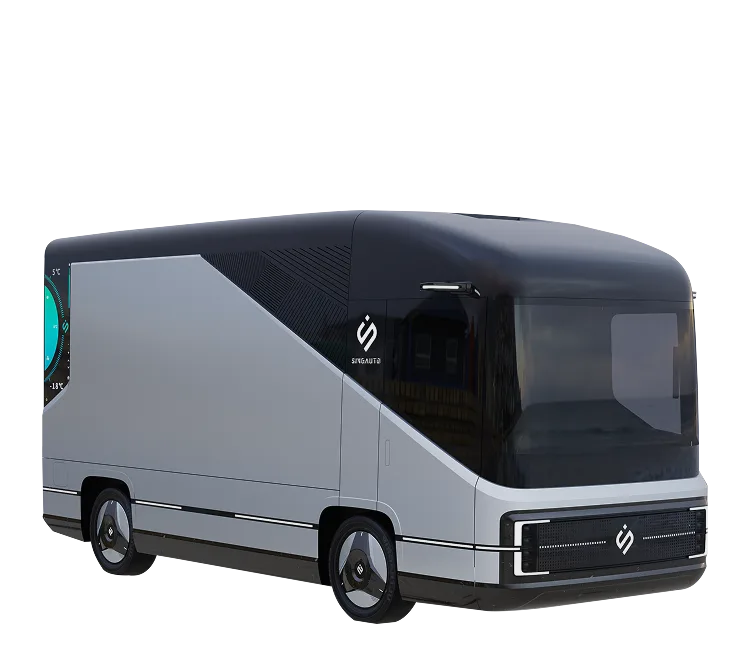
SINGAUTO new-energy intelligent refrigerated vehicle
Walk-in driving cab design
Integrated design of vehicle and container to fully utilize the space, and large-tonnage trucks labeled as small-tonnage trucks
Integrated chassis design for fast battery swap
Cargo tank storage method: multi-purpose container and temperature zone control
Pure electric power with zero carbon emissions
Fully intelligent vehicle design for the future
Purchase cost nearly the same as fuel vehicles
Annual costs 60% lower than fuel vehicles
Low maintenance cost